
 Before she married into the Coast Guard, Belverly Cutchins had been accepted to the University of Louisville’s engineering program. She had the grades, the scholarships, and the trajectory. What she did not have was a labor market designed to move with her.
Sixteen years later, she is a Project Management Professional through IVMF’s Onward to Opportunity (O2O) program. She passed every section of the PMP exam on her first attempt. She built a name for herself in the esports industry, ran an LLC focused on breaking down barriers in gaming, and developed a live streaming fundraising program for Stop Soldier Suicide from scratch. She managed their relocation off base alone, in three weeks, while her spouse could not walk without a cane.
She is struggling to find work.
“I’ve been told that gaps in my resume are a liability.”
What employers read as unreliability is the structural cost of military life. The labor market sees gaps. It does not see what fills them.
Mind the gap
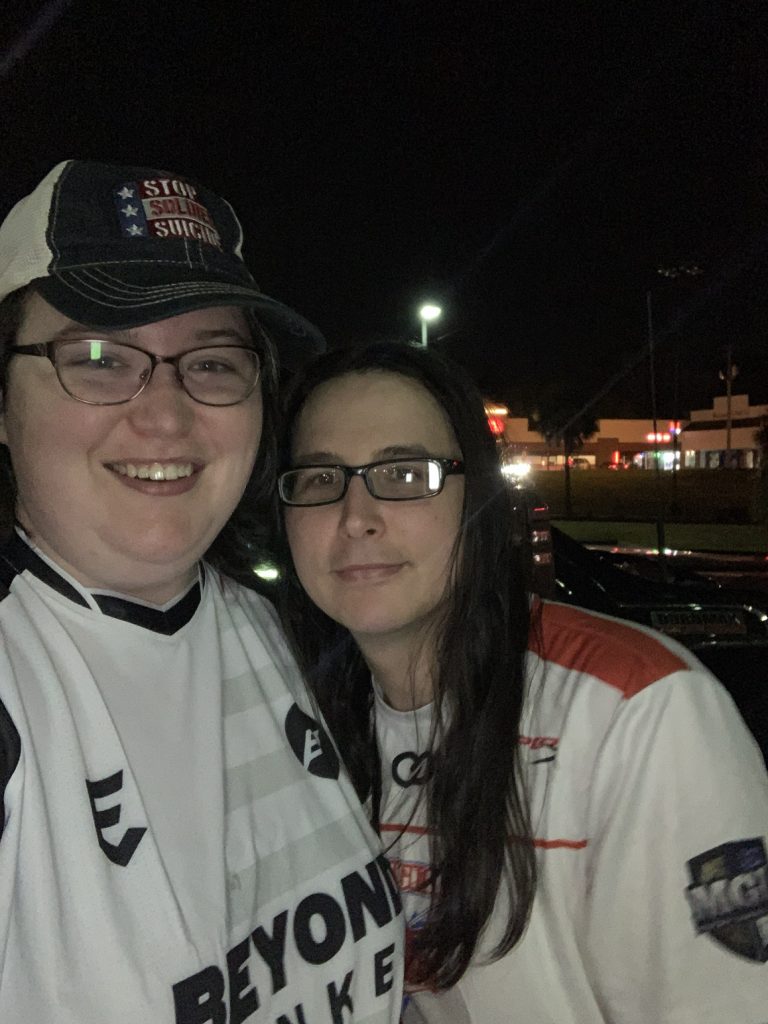 Belverly spent years volunteering in the esports community, building a reputation as a team manager, networking with Overwatch League managers, and developing professional skills that would eventually lead to paid work.
Belverly’s experience is not an outlier. It is the dominant pattern.
The first-of-its-kind Blue Star Families and IVMF Military Spouse Employment (MSE) longitudinal study, published in May 2026, found that only 22% of military spouses maintained consistent full-time employment over a three-year period. The other 78% moved in and out of the workforce repeatedly. Not from lack of effort or ambition, but because of structural barriers that civilian workers never encounter with permanent change of station moves, deployment cycles, the near-total absence of portable employer pipelines, and a licensing and credentialing system that does not transfer across state lines.
The 2025 Military Family Lifestyle Study (MFLS), conducted by Blue Star Families, reinforces what IVMF’s employment research has documented for years. Geographic mobility is among the most significant career disruptors military spouses face, and its effects compound over time. Each move resets the employment clock, and each gap that accumulates on a resume becomes evidence, in the eyes of a hiring manager, of something that was never within the spouse’s control to begin with.
Belverly reached the interview stage for five positions over three years of applications and received not one offer. The problem is not her qualifications. The problem is a labor market that reads military spouse resumes as though the gaps were chosen
Remote & Portable Careers are Key to Spouse Employment
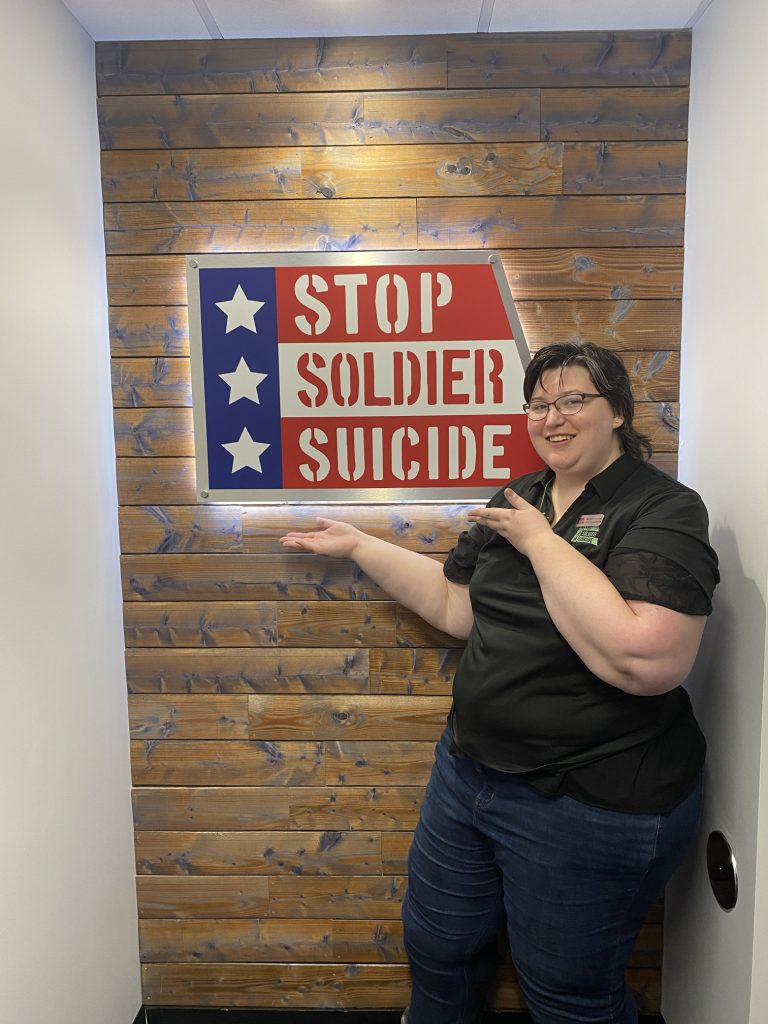 When remote work became widespread, it was the first time Belverly could build a real career without geography working against her. She held positions in esports management, built Stop Soldier Suicide’s live streaming fundraising program, and ran Goats and Pro, her LLC, which was developing an ADHD simulator that psychiatrists wanted as an educational tool. Real work with real impact, finally untethered from a zip code.
Then her funding dried up, and companies began pulling back to in-person requirements. Belverly did not lose momentum because she stopped trying. She lost it because the market shifted and she had no geographic flexibility to follow it.
The MSE study confirms what she experienced. Spouses who maintain consistent employment are significantly more likely to work for employers with formal remote work policies, and the correlation is not subtle. When work is portable, military spouses can sustain careers. When it is not, they accumulate the resume gaps that later disqualify them from jobs they were always qualified to hold.
When the Structure Collapses
 Belverly’s challenges extended well beyond employment. The Coast Guard medically discharged her spouse at 16 and a half years of service, and with that discharge came the collapse of nearly everything the family had built around military life. Retirement benefits that were just years away disappeared. Financial stability evaporated. Abuse in the marriage, worsened by the acute stress of discharge, added challenges. Ultimately, the marriage entered divorce proceedings. Years of interrupted employment meant Belverly had no independent financial resources to fall back on
She and her spouse were given three weeks to vacate base housing. She packed alone during a lockdown, her spouse unable to get around without assistance. They endured four months without income, and she lost close to 60 pounds from food insecurity and the relentless weight of it all. They relocated to Orangeburg, South Carolina because it was the cheapest option available. In 2025, she borrowed money from a friend to consult a divorce lawyer, who did not want to take her money because she could not afford the retainer.
“As soon as your spouse separates, you no longer exist,” Belverly said. “All of the resources are gone immediately for spouses. And that even includes legal aid, domestic violence support, shelters, housing, food, all of the very basic needs.”
Every system that had been promised to her as a military spouse disappeared the moment the uniform came off. The support was conditional on service. The consequences of its absence are not.
A Foundation for Opportunity to Move Onward
 IVMF’s Onward to Opportunity (O2O) program covered Belverly’s PMP bootcamp, study materials, practice exams, and exam voucher. Without it, she could not have afforded to sit for the certification.
“Getting my PMP was very validating for me and gave me a huge sense of self-worth,” she said. “I had really beaten myself up about not having my college degree. I need things to brag about right now.”
The PMP credential gave her back a professional identity that 16 years of military life had structurally taken from her, and that matters. But the full story of what O2O produces goes beyond any single participant’s sense of reclaimed purpose.
Research from Pennsylvania State University on O2O participants found that program graduates earned $57,351 on average, compared to $51,520 for matched peers who did not complete the program. O2O does not just provide credentials. It produces measurable, durable economic outcomes for the people it serves. This makes a measurable difference for military spouses during PCS moves. During a relocation year, military spouses earn only $31,222 on average, compared to $78,128 for civilian spouses who relocate.
Belverly’s PMP has not yet produced the employment her qualifications warrant. Her industry requires onsite presence in cities she cannot relocate to, and despite always indicating a willingness to relocate without assistance, she felt like her options were limited. She lives in Orangeburg because it was the only place the family could afford. She is currently pursuing community management and social media roles below her certification level because those are the remote positions available, and that is not a failure of ambition. That is underemployment happening in real time, to a PMP-certified professional, in the same labor market that calls her resume gaps a liability.
What Doesn’t Fit in a Resume Gap
Belverly’s resume gaps contain household management through deployments, volunteer leadership that built a professional network in a growing industry, crisis management during a medical discharge, and the invisible labor of holding a military family together through conditions most civilians will never face. None of it appears on a resume, and all of it sustained the military’s ability to function.
“Once you step out of the workforce because of a PCS or deployment, there’s no structured way back in,” one military spouse told MSE researchers. “You’re basically on your own to reinvent yourself every single time.”
O2O gave Belverly a credential, a community, and a professional identity that 16 years of military service had structurally denied her. One program cannot undo what 16 years degraded. But it gave her something to build from, in a system that had given her neither.
The Career You Never See
Belverly’s story is one of many. The D’Aniello Institute for Veterans and Military Families (IVMF) is working with Blue Star Families and USAA to document the structural barriers that hold military spouse careers back, and building programs to create pathways over them. The 2026 Blue Star Family ad iVMF MSE longitudinal study and the 2025 MFLS findings represent the most comprehensive picture of military spouse employment barriers ever assembled.
O2O career training, portable credentials, and IVMF’s broader portfolio of entrepreneurship programs serve military spouses struggling with the realities of the military spouse experience.
The career you never see deserves the support it has never received.
Read more at The Career You Never See